
Hotels and resorts are increasingly turning to vacuum drainage systems as a smarter, more flexible alternative to traditional gravity drainage. Modern hospitality developments often face challenges such as limited installation space, basement construction, refurbishment restrictions and sustainability targets, all areas where vacuum drainage technology can offer major advantages.
Unlike conventional drainage systems that rely on gravity and large pipe gradients, vacuum drainage uses pressure differences to transport wastewater through small-bore pipework. This allows far greater flexibility in how hotels are designed, renovated and operated, particularly in complex or high-end hospitality environments.
If you are looking for help with vacuum drainage solutions, get in touch with EVDS today.
Flexible Drainage Design for Modern Hotels
One of the biggest advantages of vacuum drainage systems in hotels is the design flexibility they provide. Traditional gravity drainage systems require consistent pipe slopes and large vertical drops, which can restrict bathroom placement and reduce usable building space.
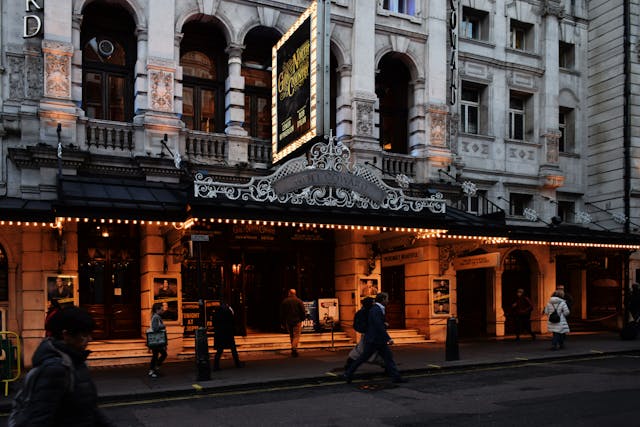
Vacuum drainage systems allow wastewater pipework to run horizontally and even upwards where required, helping architects and developers maximise room layouts and simplify installation in difficult spaces. According to Evac, this flexibility played a key role in the conversion of a disused underground car park in London’s West End into a 207-room hotel located entirely below sewer level. Traditional gravity drainage was reportedly impractical for the project, while vacuum drainage made the development possible.
Ideal for Hotel Refurbishments & Underground Developments
Hotels are often built within existing structures, heritage buildings or city-centre locations where excavation and major structural alterations can be extremely expensive. Vacuum drainage systems are particularly well suited to refurbishment projects because they use smaller pipework and require significantly less invasive installation work compared to gravity systems.
A strong example is the Zedwell Underground Hotel project in London, where vacuum drainage pipework was routed through ceiling voids rather than requiring extensive floor excavation. Evac’s case study on the Zedwell Hotel conversion explains how this reduced disruption while helping preserve the existing structure.
Vacuum drainage technology has also been highlighted in heritage-sensitive luxury hotel conversions, where maintaining the original building structure and aesthetics is critical. Evac’s Rosewood London project article discusses how vacuum plumbing can support high-end hotel refurbishments without extensive structural modification.
Significant Water Savings for Hospitality Buildings
Water efficiency is becoming increasingly important across the hospitality industry, particularly as hotels look to reduce operational costs and improve sustainability credentials. Vacuum toilets typically use far less water per flush compared to conventional gravity toilets.
Vacuum toilets can reduce water usage by up to 90% depending on the application and fixture type. Water Savings up to 90%: How Vacuum Drainage Supports Sustainability Goals.
The Zedwell hotel project alone is expected to save more than 2.5 million litres of water annually through the use of vacuum drainage technology.
Another hospitality example comes from The Caterer, which reported that the One Aldwych hotel in London installed an EVAC vacuum drainage system capable of using approximately 80% less water than traditional toilet systems.
For hotels, resorts and hospitality groups operating hundreds of rooms, these water savings can significantly reduce utility costs while supporting environmental targets and sustainability certifications.
Supporting Sustainable Hospitality Developments
Sustainability has become a major focus within the hotel industry, with many hospitality brands actively looking for ways to reduce water consumption, lower carbon impact and improve environmental performance.

Vacuum drainage systems support sustainable construction by:
- reducing water consumption,
- minimising excavation requirements,
- lowering material usage,
- and helping enable adaptive reuse of existing buildings.
According to Evac’s Zedwell project case study, reusing the underground car park structure instead of constructing a new building helped avoid demolition waste and reduce embodied carbon emissions.
This makes vacuum drainage particularly attractive for:
- eco resorts,
- sustainable hotel developments,
- city-centre refurbishments,
- and adaptive reuse projects.
Why More Hotels Are Choosing Vacuum Drainage
As hospitality developments become more ambitious and sustainability standards continue to rise, vacuum drainage systems are becoming an increasingly attractive option for hotels and resorts around the world.
Key benefits include:
- flexible pipe routing,
- reduced excavation,
- lower water consumption,
- easier refurbishment installation,
- improved building adaptability,
- and support for sustainable development goals.
At EVDS, we work with developers, architects and contractors to deliver specialist vacuum drainage solutions for complex hospitality and commercial projects across the UK. Whether you are planning a new hotel development, underground conversion or large-scale refurbishment, our team can help you explore the benefits of vacuum drainage technology for your project. Get in touch with EVDS today.