
Vacuum drainage systems are becoming an increasingly popular choice across a wide range of industries, particularly in large commercial developments where flexibility, sustainability and efficiency are key. Unlike traditional gravity drainage, vacuum drainage uses pressure differences to transport wastewater, allowing for more adaptable pipe layouts, reduced excavation work and lower water usage.
From hospitals and airports to shopping centres and transport infrastructure, many industries are turning to vacuum drainage solutions to help overcome the limitations of conventional systems. As modern buildings become more complex and sustainability targets continue to grow, businesses and developers are looking for smarter drainage technologies that can support long-term performance while reducing installation and maintenance challenges.
At EVDS, we work with businesses, developers and engineers across the UK to deliver specialist vacuum drainage solutions tailored to each project’s requirements. Whether you are planning a new commercial development or looking for a more efficient alternative to traditional drainage systems, our team can help advise on the right solution for your application.

In this article, we explore the industries that benefit most from vacuum drainage systems and why this innovative approach is becoming an important part of modern commercial construction.
Why Vacuum Drainage Is Growing in Popularity
Vacuum drainage systems are becoming increasingly popular in modern construction due to their flexibility, efficiency and sustainability benefits. Unlike traditional gravity drainage systems, vacuum drainage uses differential air pressure to transport wastewater, allowing pipework to be installed with minimal excavation and fewer structural limitations. This makes it especially useful in large commercial developments, complex building layouts and sites where gravity drainage may be difficult or expensive to install.
What Is a Vacuum Drainage System? (Complete UK Guide 2026)
As sustainability and water efficiency become bigger priorities within the construction industry, developers and engineers are looking for smarter infrastructure solutions that reduce environmental impact while maintaining performance. Vacuum drainage systems can significantly reduce water consumption, require smaller pipe sizes and offer greater design flexibility, making them an attractive option for a growing range of industries and commercial projects.

Hospitals & Healthcare Facilities
Hospitals and healthcare facilities benefit greatly from vacuum drainage systems due to the importance of hygiene, reliability and efficient waste management. Healthcare buildings often have complex layouts with multiple floors, restricted service areas and high usage demands, making flexible drainage design essential. Vacuum drainage allows wastewater to be transported efficiently without relying entirely on gravity, helping simplify installation in challenging healthcare environments.
Why Hospitals Use Vacuum Drainage: Safety, Hygiene & Reliability Explained
In addition to flexibility, vacuum drainage systems can help reduce the risk of leaks and contamination because the system remains sealed and operates under negative pressure. This can support cleaner, more controlled environments where infection prevention and maintenance accessibility are important considerations. Hospitals, laboratories and medical facilities also benefit from the reduced water usage and long-term operational efficiency vacuum drainage can provide.
Airports, Rail Stations & Transport Hubs
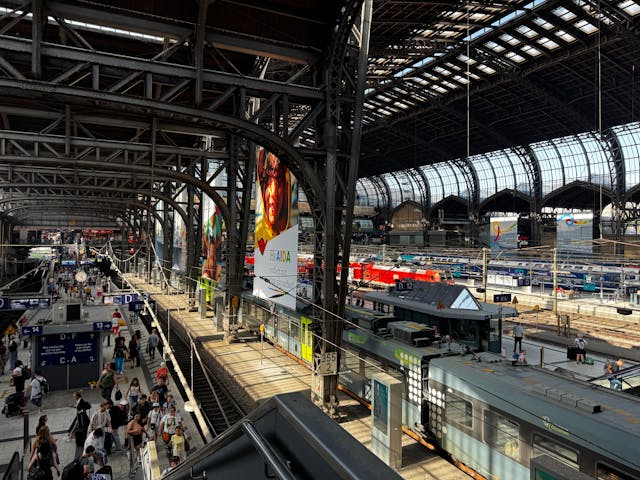
Large transport hubs such as airports and railway stations experience extremely high foot traffic every day, placing heavy demands on their drainage infrastructure. Vacuum drainage systems are well suited to these environments because they can handle wastewater efficiently across large areas while allowing for flexible pipe routing beneath terminals, platforms and public spaces.

Transport infrastructure projects often involve complex underground services and limited space for traditional gravity drainage gradients. Vacuum drainage helps overcome these challenges by reducing excavation requirements and allowing pipework to be installed around existing infrastructure. This makes it an ideal solution for modern transport developments where reliability, flexibility and minimal disruption are essential.
Shopping Centres & Supermarkets
Shopping centres and supermarkets require drainage systems capable of supporting busy public environments, food preparation areas and multiple tenant units. Vacuum drainage systems offer a flexible and efficient solution for these types of commercial buildings, particularly where layouts may change over time or where traditional drainage routes are difficult to achieve.
How Toilet Design Impacts Accessibility in Public Buildings

Supermarkets also benefit from the reduced water usage associated with vacuum toilet systems, helping businesses lower operational costs and improve sustainability performance. In shopping centres, vacuum drainage can simplify installation across large floorplates while reducing the need for extensive underground excavation work, making construction faster and more adaptable.
High-Rise & Commercial Buildings
Vacuum drainage systems are becoming increasingly common in high-rise developments and modern commercial buildings due to the flexibility they provide in building design. Traditional gravity drainage systems often require large vertical drops and carefully planned gradients, which can restrict architectural layouts and usable space. Vacuum drainage offers more freedom by allowing horizontal pipe runs and simplified routing throughout the building.
For commercial offices, hotels and mixed-use developments, this flexibility can help maximise usable floor space while reducing installation complexity. Vacuum drainage systems can also lower the amount of structural work required within a building, helping developers improve efficiency during construction and create more adaptable internal layouts for future use.
Marine & Offshore Applications
Marine and offshore environments have used vacuum drainage systems successfully for many years due to their reliability and compact design. Cruise ships, offshore platforms and marine facilities often have limited space and unique engineering challenges, making traditional gravity drainage difficult to implement effectively.

Wastewater Management Systems for the Marine & Building Industries
Vacuum drainage systems are particularly valuable in marine settings because they use smaller pipework and require less water to operate. The sealed nature of the system also helps reduce the risk of leaks and wastewater issues in sensitive environments. These advantages have made vacuum drainage a trusted solution across the marine and offshore industries where durability and efficiency are essential.
Remote Locations & Difficult Terrain
Remote sites and challenging terrain can make conventional drainage systems expensive and difficult to install. Areas with rocky ground, high water tables, flat landscapes or environmentally sensitive locations often require extensive excavation and complex engineering when using gravity drainage systems. Vacuum drainage provides a practical alternative by reducing the need for deep trenches and allowing flexible pipe installation.
This makes vacuum drainage particularly useful for remote developments, holiday parks, infrastructure projects and rural facilities where traditional drainage may not be viable. By reducing excavation requirements and allowing wastewater to travel efficiently over long distances, vacuum drainage systems can help lower installation costs while simplifying construction in difficult environments. You can read more about our mobile systems here.

Why Vacuum Drainage Supports Sustainable Construction
Sustainability is becoming a major focus within modern construction, and vacuum drainage systems can play an important role in helping developments reduce their environmental impact. Vacuum toilets typically use significantly less water than traditional systems, helping commercial buildings lower water consumption and improve overall efficiency.
In addition to water savings, vacuum drainage systems often require less excavation work, smaller pipe sizes and reduced material usage during installation. These factors can help minimise disruption on site while supporting sustainable building goals and environmental certifications. For developers aiming to improve long-term operational efficiency and reduce carbon impact, vacuum drainage offers a modern and forward-thinking solution.
Is Vacuum Drainage Right for Your Project?
Every construction project has different drainage requirements, and vacuum drainage is particularly beneficial where flexibility, sustainability and efficient installation are priorities. Developments with complex layouts, restricted excavation access, high traffic usage or demanding environmental requirements can often gain significant advantages from vacuum drainage technology.
At EVDS, we work closely with developers, architects, engineers and contractors to provide tailored vacuum drainage solutions for a wide range of commercial applications. Whether you are planning a healthcare facility, transport hub, retail development or large infrastructure project, our team can help you determine whether vacuum drainage is the right solution for your needs. Get in touch with EVDS today.