
If you’re researching vacuum toilets or vacuum drainage systems, you’ve probably got plenty of questions. Whether you’re planning a new installation, replacing an ageing system or simply curious about how vacuum drainage works, this guide answers some of the most common questions.
At EVDS, we design, install and maintain vacuum drainage systems across the UK for commercial, marine, healthcare and specialist applications.
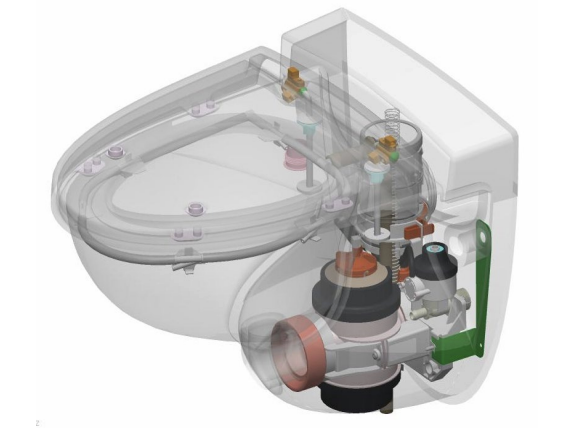
What is a vacuum toilet?
A vacuum toilet uses air pressure instead of gravity to transport waste through specially designed pipework. A vacuum pump creates negative pressure, allowing waste to be moved quickly using very little water.
Vacuum toilets are commonly used in:
- Commercial buildings
- Hospitals
- Hotels
- Airports
- Trains
- Ships and yachts
- Offshore facilities
How does a vacuum toilet work?
When the flush button is pressed, a valve opens and the pressure difference pulls waste through the pipework at high speed. The valve closes immediately afterwards, maintaining the vacuum within the system.
Because the system relies on pressure rather than gravity, pipework can be routed far more flexibly than conventional drainage.
Why Hotels & Resorts Use Vacuum Drainage Systems
What Types of Industries Benefit Most from Vacuum Drainage Solutions?
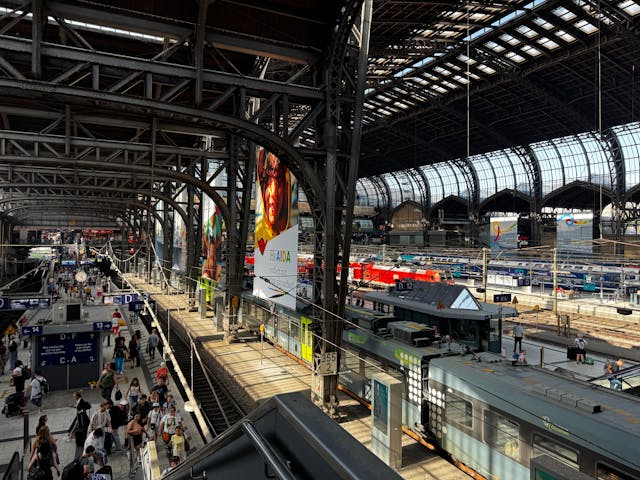
What is a vacuum drainage system?
A vacuum drainage system connects multiple vacuum toilets and other sanitary appliances to a central vacuum station.
Instead of relying on gravity, the entire system uses controlled negative pressure to transport wastewater efficiently through smaller diameter pipes.
What Is a Vacuum Drainage System? (Complete UK Guide 2026)
Why choose vacuum drainage instead of traditional drainage?
Vacuum drainage offers several advantages over gravity drainage, including:
- Uses up to 80% less water
- Smaller pipework requirements
- Easier installation in difficult buildings
- Reduced excavation costs
- Greater flexibility for building layouts
- Fewer blockages when correctly maintained
- Lower environmental impact
For many commercial projects, vacuum drainage provides significant long-term cost savings. Common Problems with Traditional Drainage — And How Vacuum Drainage Solves Them.

Where are vacuum toilet systems commonly used?
Vacuum systems are ideal for locations where conventional drainage is difficult or impractical.
These include:
- Airports
- Railway stations
- Hospitals
- Hotels
- Shopping centres
- Office developments
- Care homes
- Schools and universities
- Marine vessels
- Cruise ships
- Offshore platforms
Do vacuum toilets use less water?
Yes.
Most vacuum toilets use between 0.5 and 1 litre of water per flush, compared to around 6 litres for many traditional toilets.
This can dramatically reduce water consumption in high-traffic buildings.
Are vacuum toilets environmentally friendly?
They can be.
Reduced water usage means lower water bills and less wastewater entering treatment systems. They can also reduce the amount of excavation and pipework required during construction.
Many organisations choose vacuum drainage as part of their sustainability strategy.
Are vacuum toilets reliable?
Modern vacuum toilet systems are extremely reliable when installed correctly and maintained regularly.
Like any mechanical system, routine servicing helps prevent unexpected downtime and extends the lifespan of the equipment.
Do vacuum toilets smell?
No.
In fact, vacuum systems often reduce odours because the pipework is sealed and waste is transported quickly away from the toilet.
Properly maintained systems should remain hygienic and odour-free.

Can vacuum toilets become blocked?
Although no drainage system is completely immune to blockages, vacuum systems generally experience fewer issues because waste travels through the pipes at high speed.
Most blockages occur when unsuitable items are flushed.
What should never be flushed into a vacuum toilet?
Only human waste and toilet paper should be flushed.
Avoid disposing of:
- Wet wipes
- Paper towels
- Sanitary products
- Nappies
- Cotton buds
- Cleaning cloths
- Food waste
- Plastic items
These materials can damage the system or cause blockages.
How much maintenance does a vacuum drainage system need?
Routine maintenance typically includes:
- Inspecting vacuum pumps
- Checking valves
- Monitoring pressure levels
- Servicing collection tanks
- Testing alarms and controls
- Inspecting pipework
Regular preventative maintenance helps avoid costly emergency repairs.
How long do vacuum toilet systems last?
A well-maintained vacuum drainage system can operate reliably for many years.
Individual components such as valves and pumps may require servicing or replacement over time, but the overall system is designed for long-term performance.
How Toilet Design Impacts Accessibility in Public Buildings
Can vacuum drainage be installed in existing buildings?
Yes.
One of the biggest advantages of vacuum drainage is its flexibility.
Because it doesn’t rely on gravity, it can often be installed during refurbishments where traditional drainage would be difficult or expensive.
Is vacuum drainage suitable for hospitals?
Yes.
Hospitals often benefit from vacuum drainage because of:
- Reduced water usage
- Flexible pipe routing
- Improved hygiene
- Easier installation in refurbishment projects
- Reliable waste transport
Healthcare facilities are one of the sectors where vacuum technology is widely used. Hygiene & Infection Control: Why Vacuum Systems Are Better for Hospitals & Food Facilities.
Why Hospitals Use Vacuum Drainage: Safety, Hygiene & Reliability Explained
Are vacuum toilets suitable for hotels?
Absolutely.
Hotels benefit from lower water consumption, quieter operation, flexible building design and reliable performance, making vacuum drainage an excellent option for new developments and refurbishments.
Why are vacuum toilets used on ships?
Ships cannot rely on gravity drainage in the same way as buildings on land.
Vacuum systems provide reliable waste removal regardless of vessel movement while using very little fresh water.
Can vacuum drainage save money?
Yes.
Although installation costs vary, many organisations reduce long-term operating costs through:
- Lower water bills
- Reduced excavation
- Faster installation
- Lower maintenance costs
- Increased design flexibility
The overall return on investment often makes vacuum drainage an attractive option.
How often should a vacuum drainage system be serviced?
The servicing schedule depends on usage and manufacturer recommendations.
High-traffic buildings typically benefit from planned maintenance several times a year to keep the system operating efficiently.
What industries use vacuum drainage?
Vacuum drainage is widely used in:
- Healthcare
- Hospitality
- Commercial offices
- Retail
- Transport
- Education
- Marine
- Defence
- Industrial facilities
- Public infrastructure
How do I know if vacuum drainage is right for my project?
The best solution depends on your building, budget and operational requirements.
Factors such as available space, pipe routes, water efficiency goals and future maintenance should all be considered.
An experienced vacuum drainage specialist can assess your project and recommend the most suitable system.
Need Expert Vacuum Drainage Advice?
Whether you’re planning a new development, upgrading an existing building or looking for specialist maintenance, EVDS can help.
Our experienced team provides expert advice, installation, servicing and ongoing support for vacuum toilet and vacuum drainage systems across the UK.
Get in touch with EVDS today to discuss your project and find the right solution for your building. Call us on +44 1634 684 779 or Email: info@evds.org.uk.